Blog Intoduction

Over 3 years has passed, almost to the day, since we left Costa Rica. The Wilson's are now on a new journey for 10 weeks...this time to Nairobi, Kenya. We'd love to have you journey with us.

-The Wilson Family

Sign up to receive an email with new posts

Showing posts with label Life Learning Lab. Show all posts

Tuesday, March 1, 2016

Coffee Tour


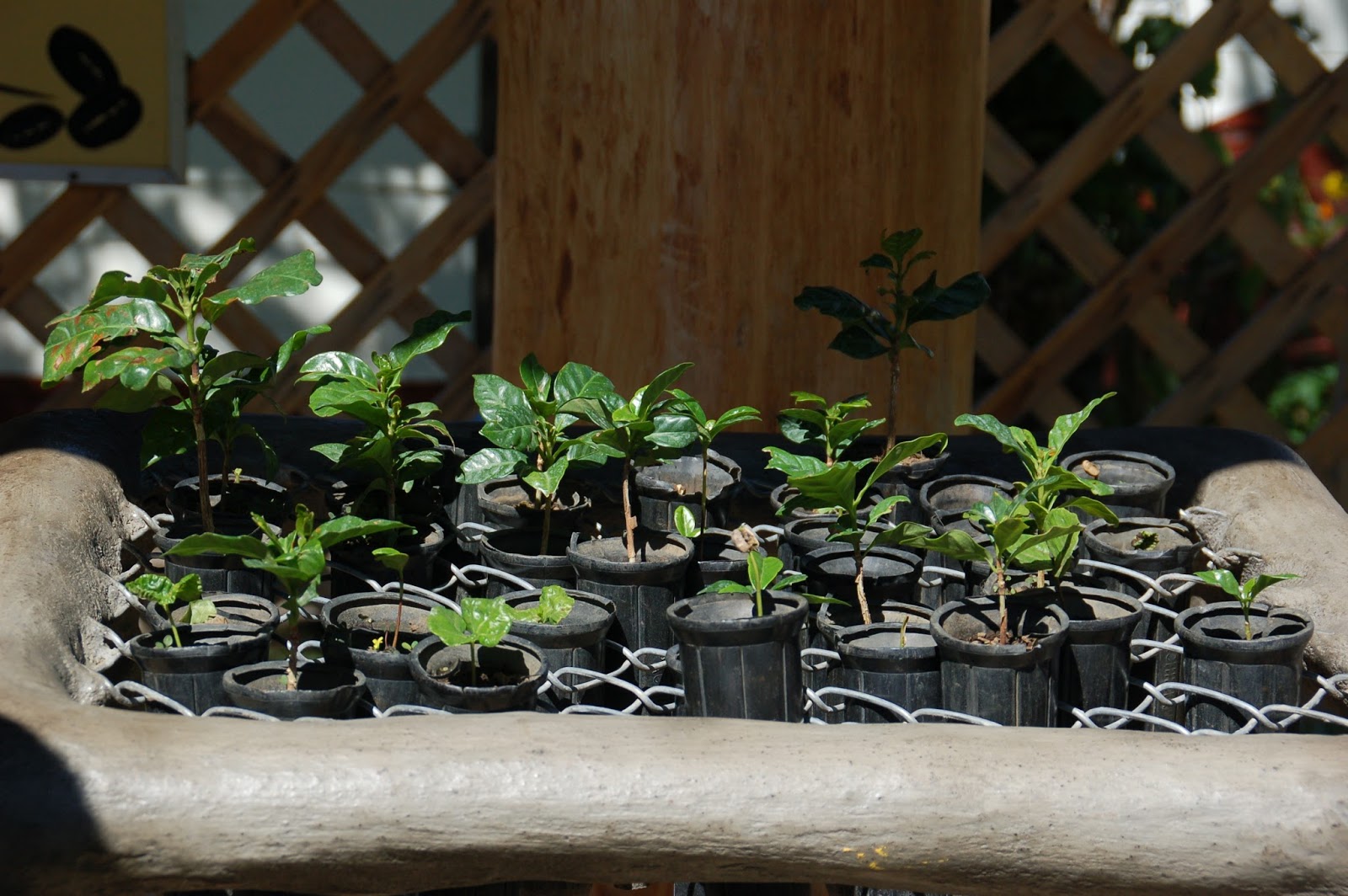
Baby Coffee Plants
On Fridays, we have a tradition of going on field trips. This week we went to the Doka Estate Coffee Tour.

First, the guide showed us how the coffee grows. First a worker plants the seed in a small pot and it stays there for 6 months. After that time, the small plant is transplanted with another plant into a plastic bag where it grows for two years. At that point, it’s ready for the field for the next thirty years. When the 30 years is up, they use the tree for compost.

Second, the guide took us to a small field where he gave us a coffee cherry each. They tasted both sweet and bitter at the same time. He explained that sometimes there is a cherry that is called a peaberry. A peaberry is a round cherry that has only one bean in it instead of two. Some people think that this kind of coffee bean is sweeter, but the guide said that it just depends on what you like. Someone in our group got a peaberry and she really liked it.

Then we walked to a big building where they processed the beans. First, we saw a giant hole about 20 feet deep. The guide said that this is what they use to separate the good beans from the not so good beans. First, they fill the hole with water. (It is cemented over so the water doesn’t get out.) Next, the workers drop 20, 26 lb buckets of beans into the water-filled hole. The bad beans float out a hole at the top and the good beans sink. Then the good beans get sucked up a tube and get taken away to a machine that takes the skin off.
The machine that takes the skin off the cherry

After that, we went to a large room. There was a big machine in it that takes skin off of the cherry. The bigger the beans are, the higher quality they are. The big beans go through one machine, the medium beans through another, and the smallest beans through the last. To actually get the outside pulp off of the bean, it has to sit in water for 2 days.

Then the guide showed us a big bean-drying machine. The lower quality beans go through the dryer. It takes about a day in this thing to get to the golden humidity ratio, 11%.

150 pound bags of coffee ready to roast
Then we walked to a room where lots of 150 lb burlap bags of coffee were stacked to the ceiling. We felt the beans in open bags, and they were very light.

Next, the guide took us outside to what looked like a huge parking lot. He said that this is where they dry the good beans. They have to rake the beans every 45 minutes, and leave them out for 3 days.

Then the guide took us to a room where he showed us all the different roasts that they roast. The group continued, but we stayed. There was a big poster explaining the history of coffee. It said that the Catholics baptized it so they felt it was safe to drink it. Also, a French Naval officer brought a clipping of it to the Caribbean, and that’s how coffee came to Latin America.

Lastly, we followed the group to the gift shop to get a free sample of their coffee and their chocolate-covered peaberry coffee beans. We ended up buying a whole bag of stuff, including an ornament for our Christmas tree.

We learned a lot, and after you read this, I hope you have too. It was very hard to go home.

-Kyle Wilson

Field Trip to Ark Herb Farm


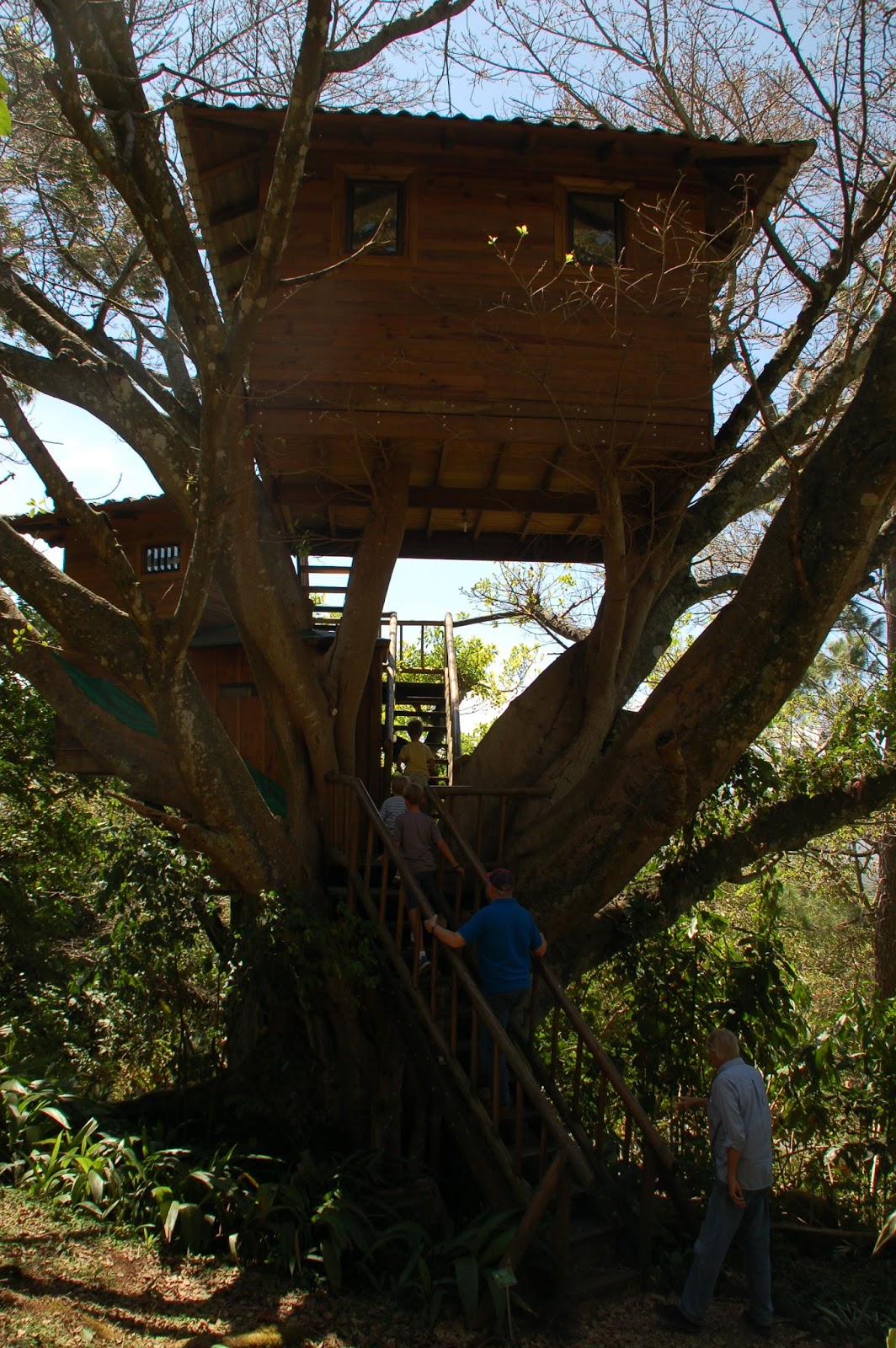
Awesome Treehouse
One of the greenhouses
On Friday we went to an herb farm for our field trip.

We saw medicinal plants. Some of those plants cured parasites, headaches, memory loss, and there was aloe for burns. We tried an herb that made your mouth water that helps runners and cancer patients.

There were many things on the herb farm. There was a really cool tree house. It had hot and cold water, a shower, sink, and a fully supplied kitchen. There were three different kinds of sixty foot bamboo shoots. There was a cactus garden on his twenty acre lot and in the cactus garden I almost walked right into a cactus!

Tommy is the owner of the herb farm. He invited us to his house where he gave us a snack of banana bread, tea, and pomegranates. I loved it. I hope you can see one too.


-Seth Wilson

Field trip to Coffee Farm

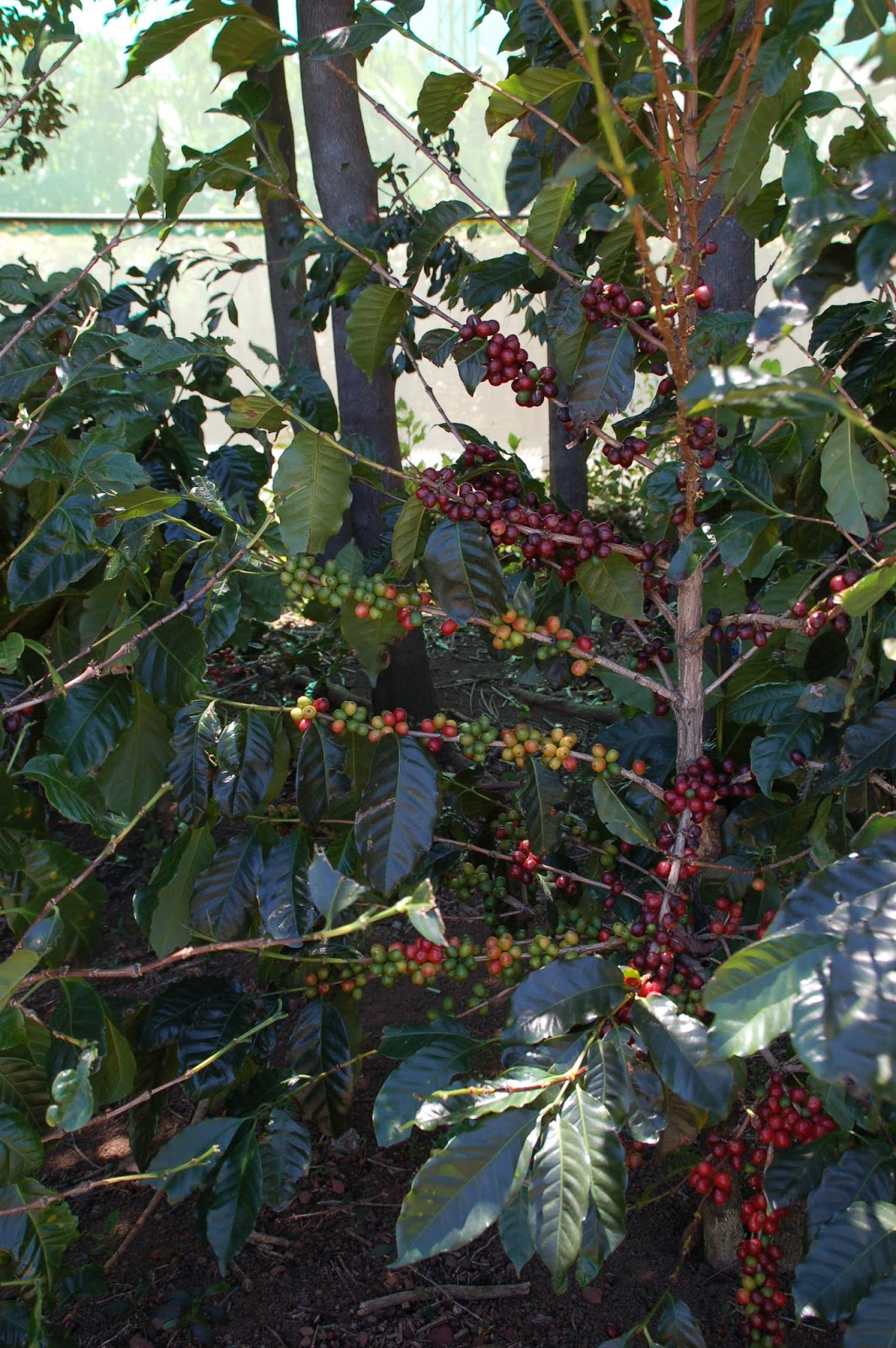
A coffee plant.  The red ones are ripe.

Do you want to know more about coffee? I went to a coffee farm that is about a half hour away from our house and I learned so much about coffee!

  • Pickers get paid $2 for every basket they fill.  An average picker picks 10 basketfulls a day
  • Coffee pickers are hard-working people
  • They can only have a coffee plant for 30 years or the coffee beans are not so good.
  • The red cherries are good to pick
  • In order to get to the 2 coffee beans, you have to peel off the skin.  The two coffee beans are slippery.
  • Over 100 years ago the coffee pickers used a giant mortar and pestle to take off the skin.  Now they use big machines.
  • Every 45 minutes the worker has to rake the beans with a large wooden rake to turn the coffee to help it dry
  • The best coffee beans dry in the sun. The not so good coffee beans are dried in a humongous dryer 
  • The coffee beans are done drying when they have 11% moisture left, no more, no less
The rake they used to dry the beans

There was also a butterfly garden at the farm with at least five different kinds of butterflies.  At the beginning of the tour, our guide gave us an iced coffee sample, I liked it a little, but the rest of my family loved it.  There was also a souvenir shop where we tasted six different kinds of coffee and bought some presents.

I hope you've learned a lot about coffee and can go on a coffee tour someday.

-Seth Wilson

Wednesday, February 17, 2016

Bird sightings


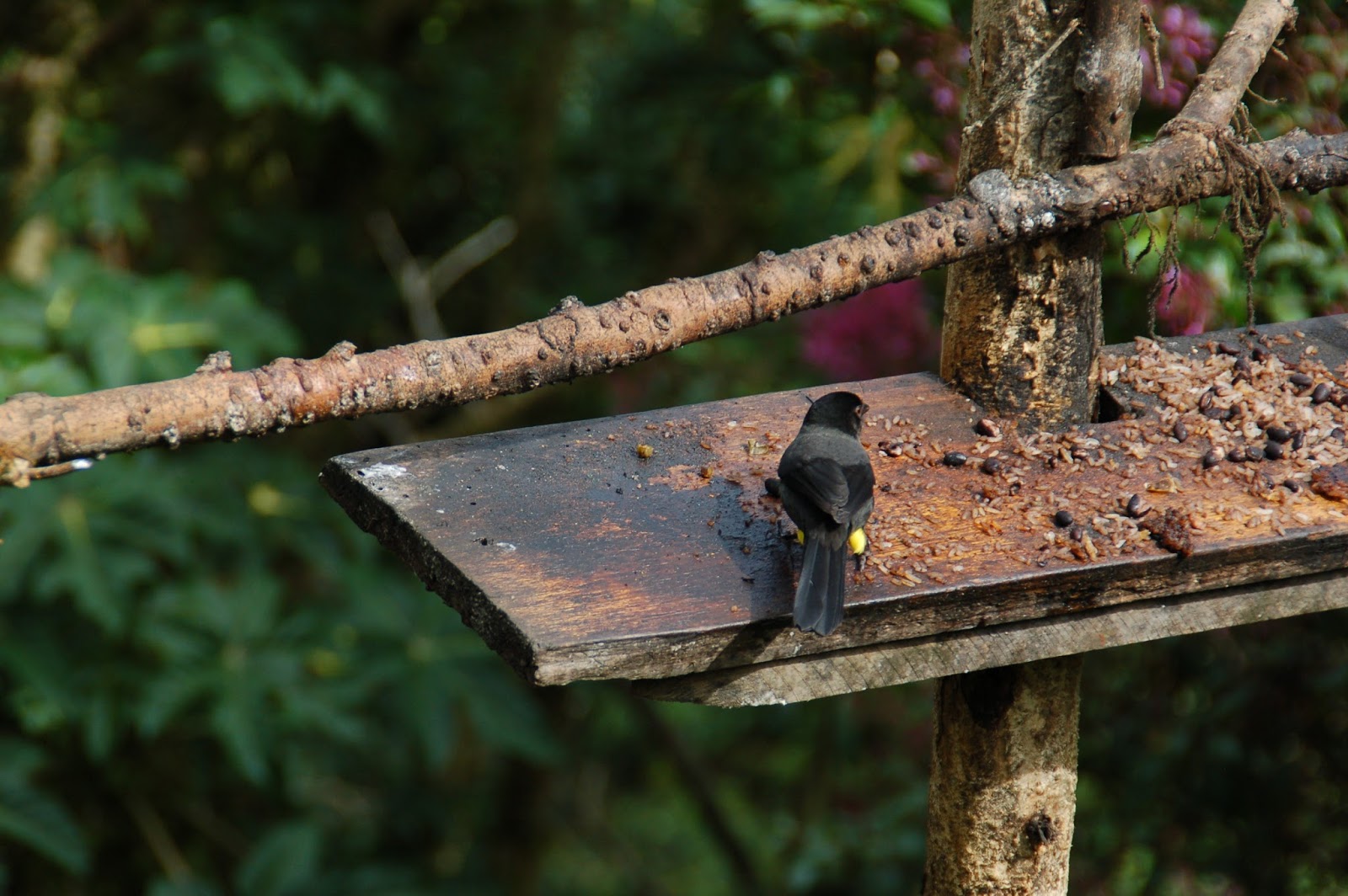
While we were on our high-elevation trip to the valley of San Gerardo de Dota, we took pictures of several different birds.  We then looked them up and found out their names.  Some of the pictures below are pictures we didn't take, but a majority of them we took.
Black billed Nightengale Thrush


Green Violet-Ear Hummingbird


The national bird of Costa Rica- Yiguirro, a clay-colored Thrush


Bananaquit (Tanager family)

Female flame-colored tanager
Blue Crowned Motmot

Male flame-colored Tanager


-The Wilson Family

Tuesday, December 1, 2015

Life Learning Lab: Leaf Nature Detectives


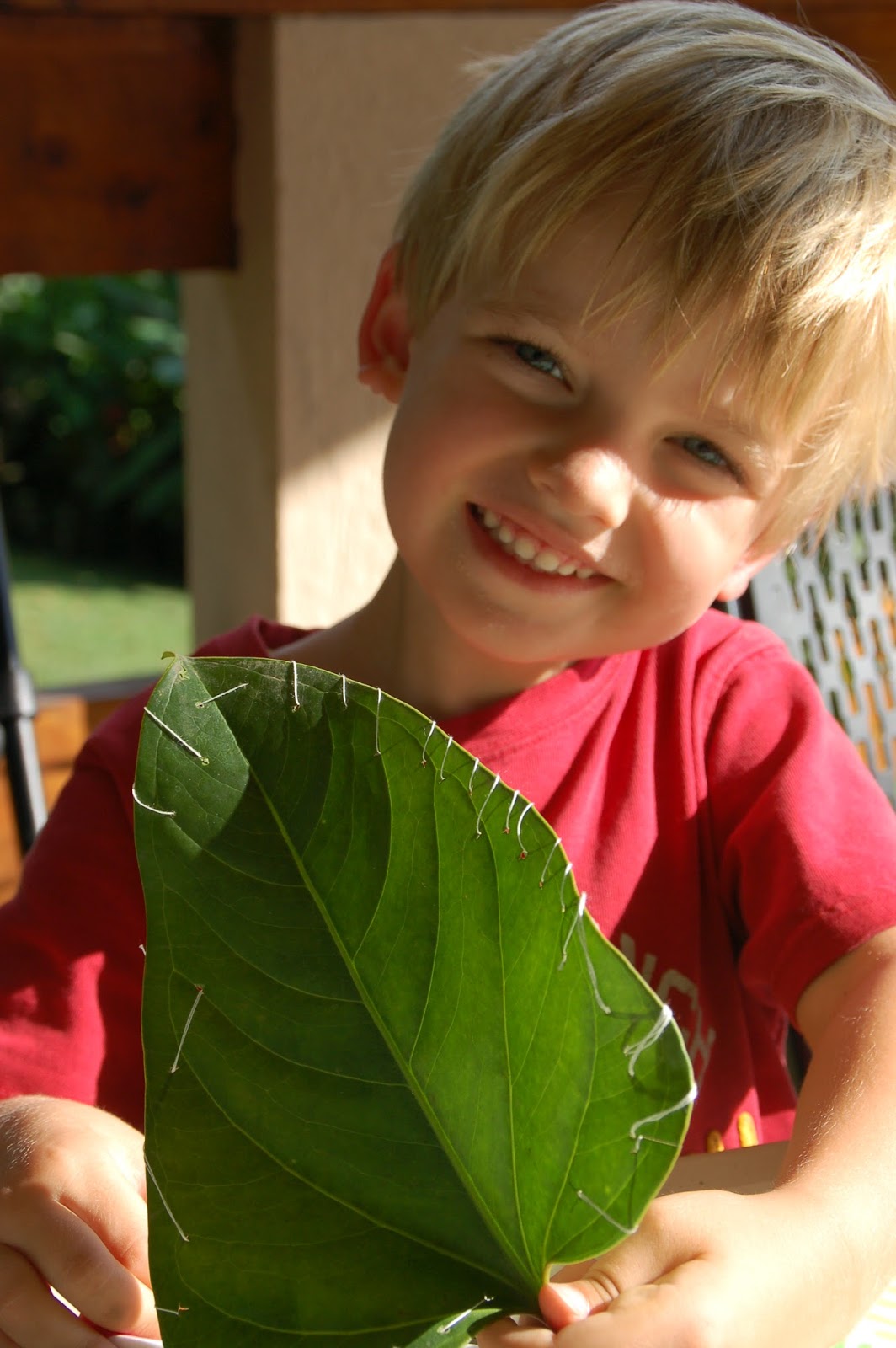
Leaf Sewing
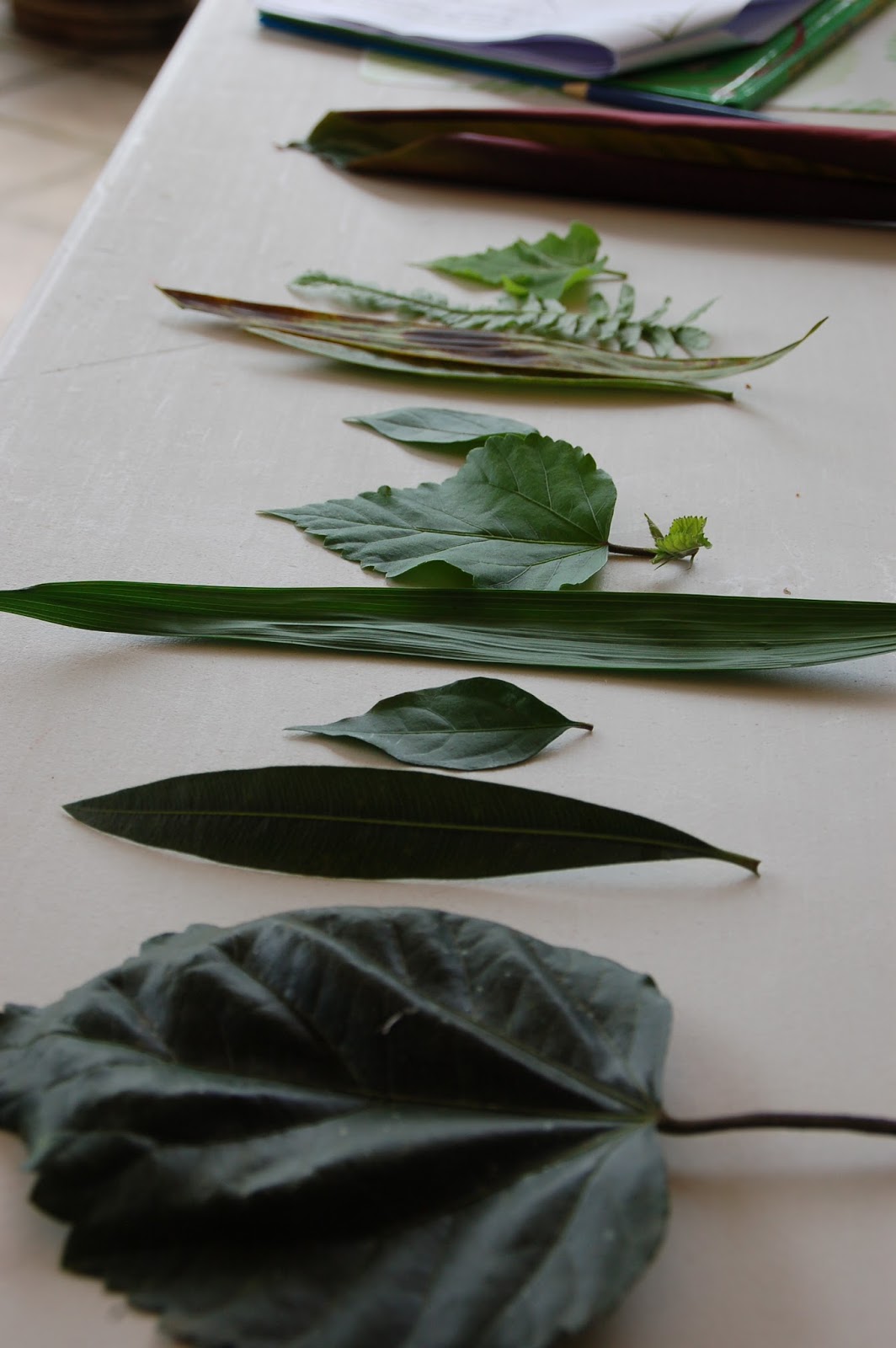
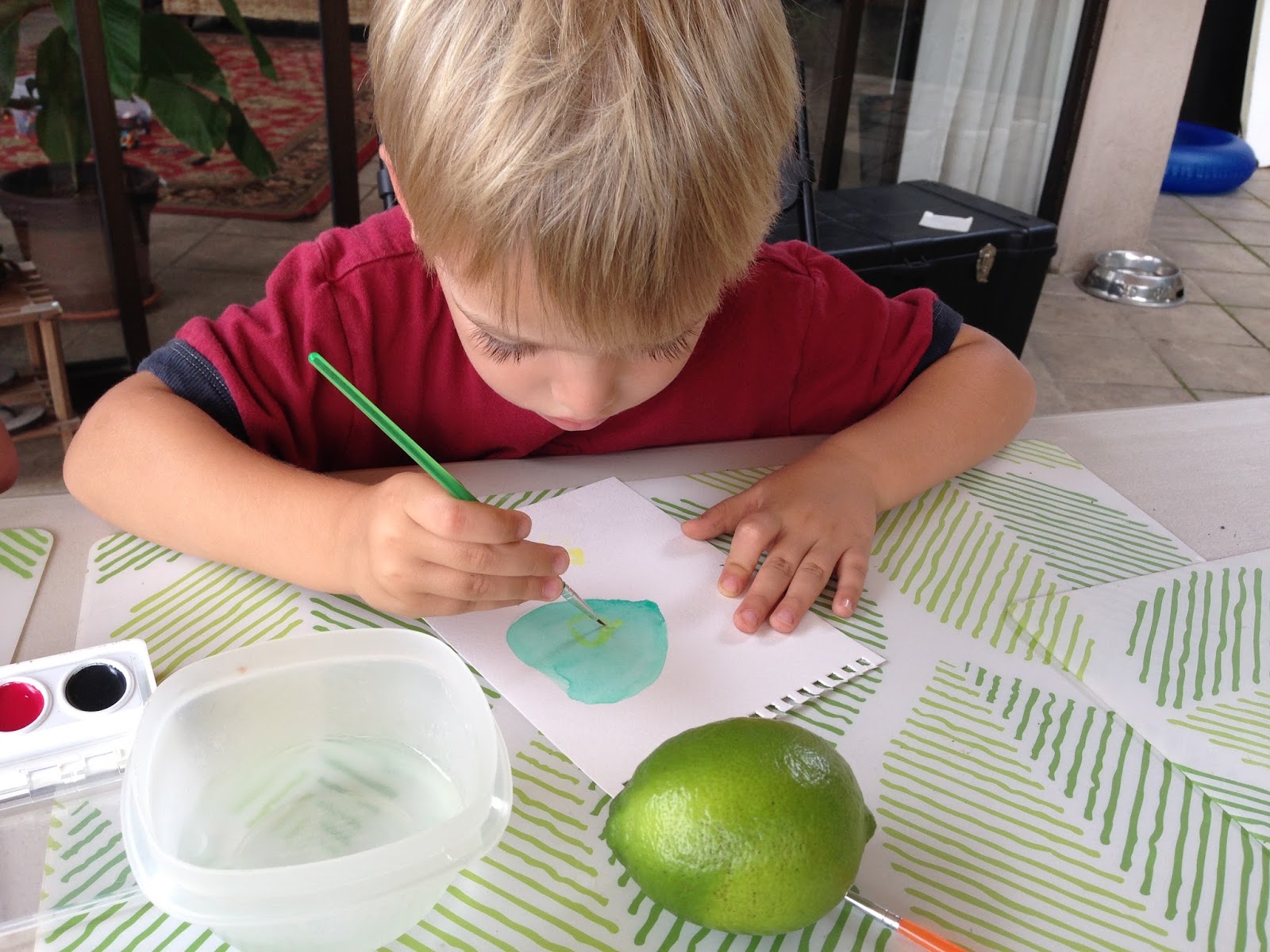
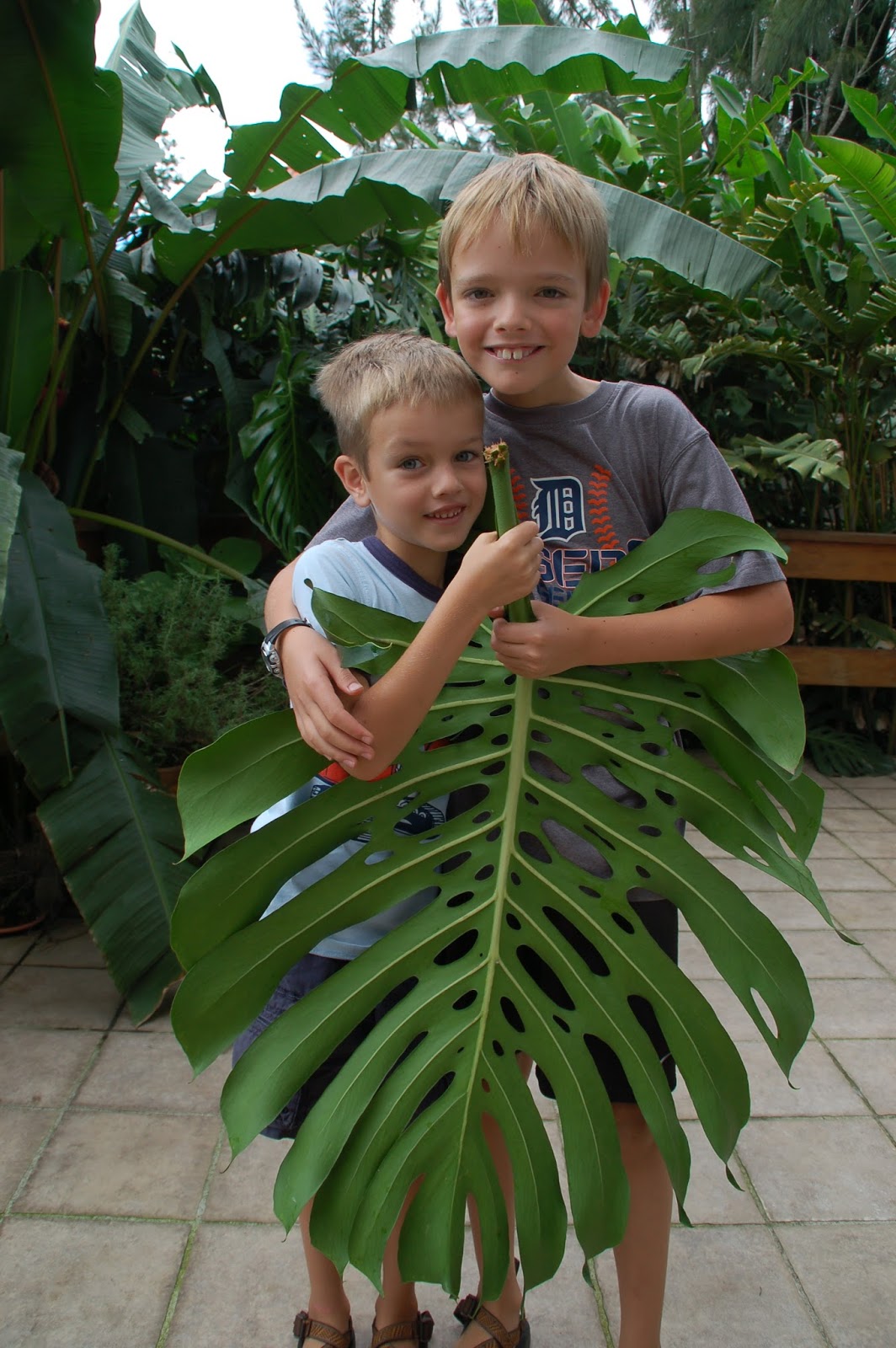
We are incredibly blessed to live in a house with a gorgeous backyard. Several years ago as Kevin and walked around Meijer Gardens' botanical greenhouse with the kids, he said with longing in his voice, "This is so wonderful and such an amazing slice of the tropics, someday I would love for them to experience the fullness of the actual tropics." Here we are in a place we never dreamed of, surrounded daily by a countless variety of plants and birds. Just using the bounty of our backyard here are some of the projects we have worked on:
  • Flower identification
  • Using watercolors to paint pictures of leaves
  • Measuring leaves
  • Making predictions and observations about their smell and feel
  • Observing the variety of shades of green- its actually pretty amazing!
  • Leaf sewing
    Shades of Green
    Watercolor painting

    Measuring Leaves

Sunday, November 15, 2015

Life Learning Lab: Spanish for Joel

The combination of needing to focus on homeschooling the older boys and our desire for him to be immersed in the Spanish language drove our search to find a preschool for Joel. It's actually harder than we thought to find a place where he would be immersed in the language. Most schools here are bilingual and many of the recommended schools are in English nearly full time. However, one day as we were exploring a nearby neighborhood we saw a sign for "Green Minds Kinder" and decided to visit. It is a small childcare run in the backyard of the director's home. They have about 3 classes of kids and around 6 teachers. The director has three boys and has clearly set up the playspace with active and creative play in mind. Among other things, she has available wheelbarrows, ropes, a large pvc pipe, and a trampoline. There are small classrooms where they sing songs and have their lessons. Joel attends every morning from 8-12 and although the adjustment went fairly smoothly, I'm sure there are moments when he feels confused and misses being with us. One of the teachers speaks English to the children but I know he misses the ease of connection through a common language with the others. However, his teachers are very warm and it's clear Joel has a special place in their hearts.

Life Learning Lab: Homeschooling


An acceleration experiment
When Mom and Dad first told us we were going to Costa Rica, I asked, "What are we going to do about school?"  Dad replied, "We're going to homeschool." At first, I was really excited. We were going to homeschool, something that I've always wanted to do.

But when we got here and started homeschooling, I learned that everything has it's advantages and disadvantages. For example, there's no commute, but that means that instead, you have to work during that time. Here's a graph of it's advantages and disadvantages:


 Advantages                                                                                                      Disadvantages
no commute
you have to work instead
work at your level
harder work
do-whatever-you-want play breaks (recesses)
no playgrounds
mom as teacher
less experienced teacher
more one-on-one time
very few classmates
more field trips
(no disadvantage)
(no advantage)
more writing
less spelling
(no disadvantage)
As you can see, there are more advantages then disadvantages. But don't get too excited if you're a mom. I hear it's very hard work to get everything ready!

Also, we have Spanish. There's a really nice college student down the street that teaches us Spanish an hour every weekday. She speaks English and Spanish, which is nice because then we can understand what she's saying.  She doesn't just teach it, either. She shows it in real life. For example, we played tennis together. We learned the words tennis, racket, shoes, throw, and turn. Just from one hour!

Don't get too excited, kids. It's hard work!

-Kyle Wilson

Life Learning Lab - Transition to Homeschooling


I've been asked several times over the past month, "So how is homeschooling going?" Moving out of our house of nine years, arriving in a foreign country, and starting homeschooling for the first time two days later, would probably not make it onto any "Recommendations for New Homeschooling Families" lists. However, there we were, with a math and reading curriculum, a few art supplies and spiral notebooks and lots of hours in the day. The first few weeks were definitely a jolt for all us. The kids were used to long, summer days in Michigan with little required of them and I was used to well...nothing here. Everything was a new routine to discover, even down to where the silverware is kept and how to drive on the roads. Why not just throw homeschooling into the mix too, right?

As a family who has a natural curiosity about life and learning, parts of the transition were natural. We already read, learn and do projects together. However, because I love to take advantage of "learning opportunities" I find it hard to know sometimes when to call the school day over and actually how to even define what is "school". There is so much to glean and so much potential in each day, that sometimes I struggle with whether I should be doing more to prepare or enhance their learning.

Honestly, I didn't have time to do a lot of research on best homeschooling techniques, but what I did read and from my education background I knew it was valuable to keep our goals in mind as we approach this year. Here are some of mine:
  • Bond deeply as a family through shared experience
  • Appreciate and learn from a new culture
  • Learn about and from our surroundings
  • Exposure to Spanish
  • Spend time learning and discussing God's word
  • Modeling for our children a growing, dependent relationship with Christ
  • Learn and use technology
  • Foster creativity and critical thinking
  • Spend time regularly reading and writing
  • Nurture a family culture of gratitude and of trying new and possibly uncomfortable things
It is perhaps important to mention some of the things that are not on this list:
  • That we follow all the grade level Common Core standards
  • That we cover all the subjects every day
  • That they have regular, peer playtime
  • That they participate in formal extracurricular activities like organized sports or music lessons
  • That each day will be filled with well thought out, hands on learning experiences
  • Spanish fluency
I find identifying some of my limitations helps me to keep my eyes focused on the goals we have determined for this year instead of feeling guilty about all the things we aren't doing.

Our days are filled with some routine: spelling, handwriting and grammar practice, Bible verse memorization and devotionals, writing, and sometimes math. We read aloud together every day and they read on their own as well. However, some days we have lessons related to this incredible giant ecology-lab we are living in. We'd love to share some of our favorite lessons with you along the way!

Life Learning Lab: Spanish for Kyle and Seth


Given the length of time we are here, we know Spanish fluency is not possible, but we prayed for a way for our kids to have consistent exposure to the language and culture.

Through a series of God-ordained events, I was invited to a birthday party of a woman who lives on our street and who also is from Michigan. At her party was a mom and her college-aged daughter. I had been looking for several weeks to find someone to teach the older boys Spanish, but had not found any feasible options. When I asked them if they knew of anyone that may be interested, the young woman, Valeria, immediately said she would love to do it! Her college classes are in the afternoon and evenings, so her schedule allows her to come every morning for an hour. She has been such an answer to prayer! She is creative, patient and kind and has really become a friend to our family. She even was able to babysit the boys so Kevin and I could go on a date! Another ideal that we didn't know how we would ever make happen in a new country.


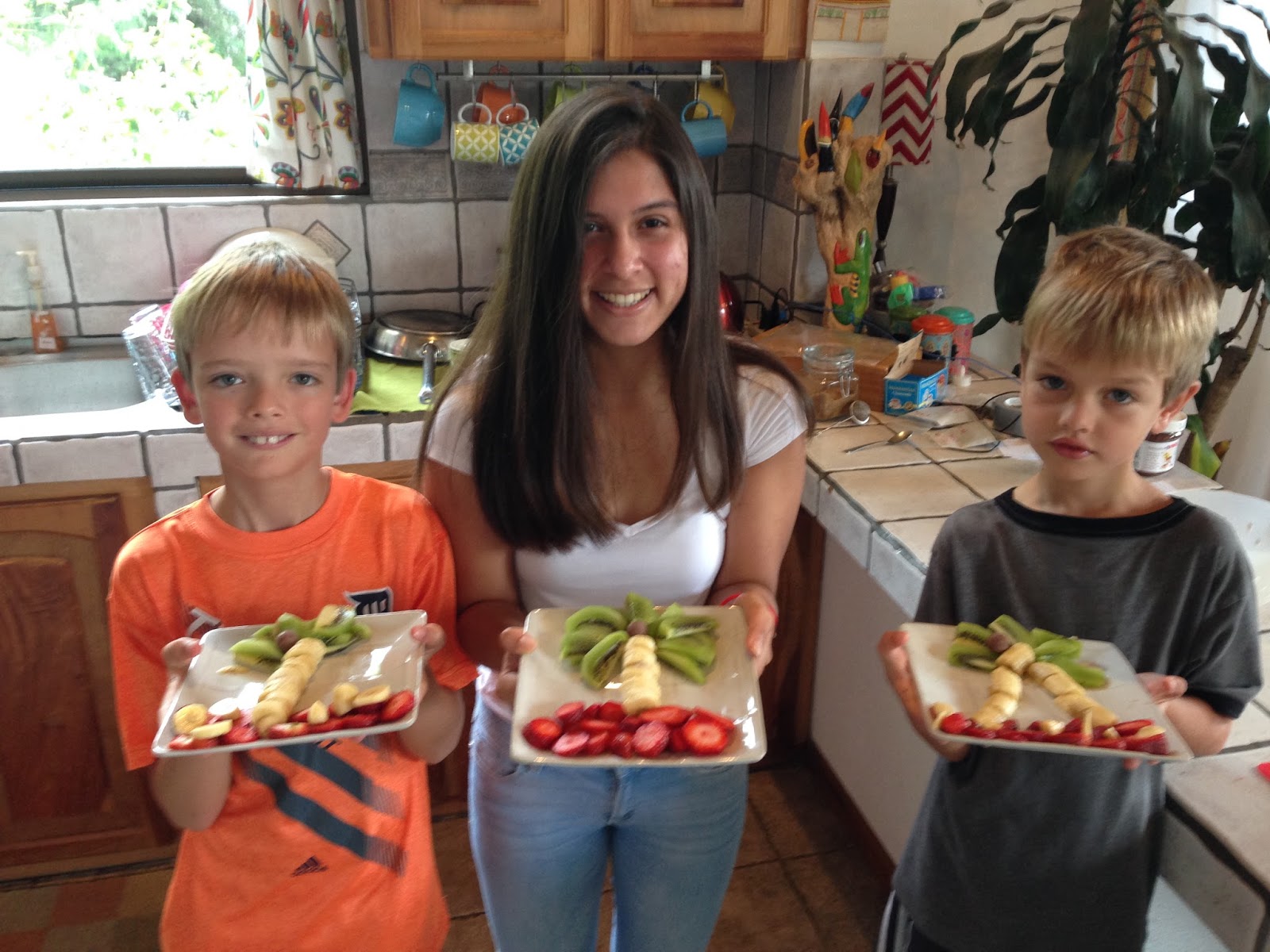
Valeria and the kids do a variety of activities. Some day they play games, other days art projects, and on this day they made palm trees out of fruit.

Thursday, November 5, 2015

Life Learning Lab: Waves


Waves
Internet-linked
Recorded by Kyle Wilson
Gathered by Kevin Wilson
          Waves might seem simple, but they are actually very complicated.  Here are some different kinds:
·       Capillary wave
A small wave about a centimeter in height.  About two centimeters between the waves.  The most common wave
·       Wind wave
A medium-sized wave usually two to eighteen feet in height.  Sixty to one hundred and fifty feet between the waves.  The second most common wave.
·       Seiche wave
A large wave, usually occurring during storms.  The third most common wave
·       Seismic sea wave (tsunami)
The tallest wave, usually 50 meters in height.  Usually occurring after a underwater earthquake or volcano.  One hundred and twenty miles between waves.  The fifth most common wave.
·       Tide
The longest between waves, half the circumference of the Earth.  The forth most common wave.  Driven by the moon. (gravity)
See links


     Waves are usually driven by wind, but some are driven by earthquakes and volcanoes, and still others are driven by the moon. (gravity)
     Waves break because they hit a rock or sandbar.  They can break many times on their journey across the ocean. 

Have you ever heard of AM and FM?  They are radio waves.  AM stands for Amplitude Modulation, and FM stands for Frequency Modulation.  AM goes more up and down, and FM changes the frequency instead of the amplitude.

Gathered by:
Wikipedia 
Wikipedia Tides


Life Learning Lab: Are vines parasitic or symbiotic?

Me pulling on a vine.  It came down very easily!
While my family and I were walking in the rainforest, we wondered whether vines were parasitic or symbiotic. We all needed to know what that meant first. We learned that something that’s parasitic doesn’t help the host, which is the thing it’s living on, but instead takes from it and doesn’t give anything back. Symbiotic is when they both give something to each other.

When I arrived home, I did research on the Internet and found that vines are parasitic. They take the tree’s nutrients and water and they choke the tree. It’s so bad that people cut down the vines so their tree can survive. Though some might say it looks a lot better to have green vines than a brown trunk!

-Kyle Wilson

Life Learning Lab: Wave Sizes


Wave length is the length of the wave.   

A capillary wave is two centimeters tall.

What's the longest wave?  It's the tide!  Did you guess right or wrong?

Where do you find the biggest waves?  Guess.  It's Antarctica!  Were you right or wrong?

-Seth Wilson

Friday, October 9, 2015

Life Learning Lab: Rip Currents


          I felt the water rushing toward the sea.  I held onto Joel's life jacket tightly, for fear that he would float away.  What were we in?
          We were in a rip current.  A rip current can occur wherever there are breaking waves.  A breaking wave appears when it hits something like a sandbar or pier.  It then breaks and pushes toward the shore.  More breakers push the water parallel to the shore.  When the water finds a break between the sandbar or pier, it rushes out, carrying anything in it's way with it.  Soon, it splits up, at the 'head' of the rip. 
          It is important to know how to get out of a rip, and most people try to get out of it by swimming directly against it.  This doesn't work, so make sure you know how to really do it: To get out of a rip, wait until you get to the 'head' of the rip, and then swim a few strokes at a right angle to the current.  Most rips aren't very wide, so getting out should be easy.
          Unfortunately, many people don't know how to get out of a rip, so US rips are responsible for 46 deaths annually.  To help reduce that number, here's how to identify a rip:

·       It is almost always a darker, more murky color then the water around it
·       You can usually see a gap between the breaking waves
·       It can be more foamy then the water around it

I hope you can find this information useful!

This information was collected from https://en.wikipedia.org/wiki/Rip_current

-Kyle Wilson